Local Pest Control in Massachusetts
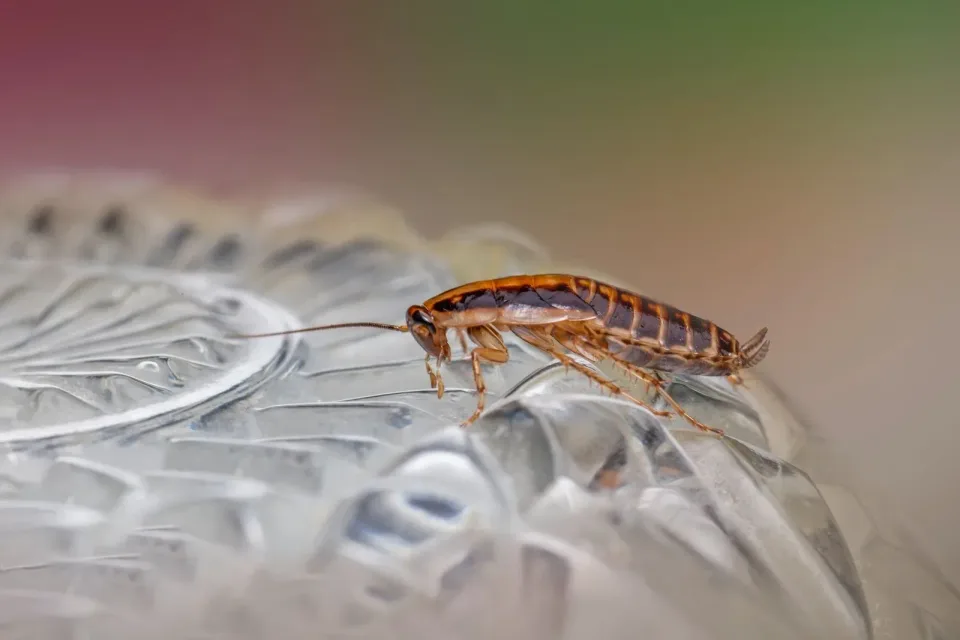
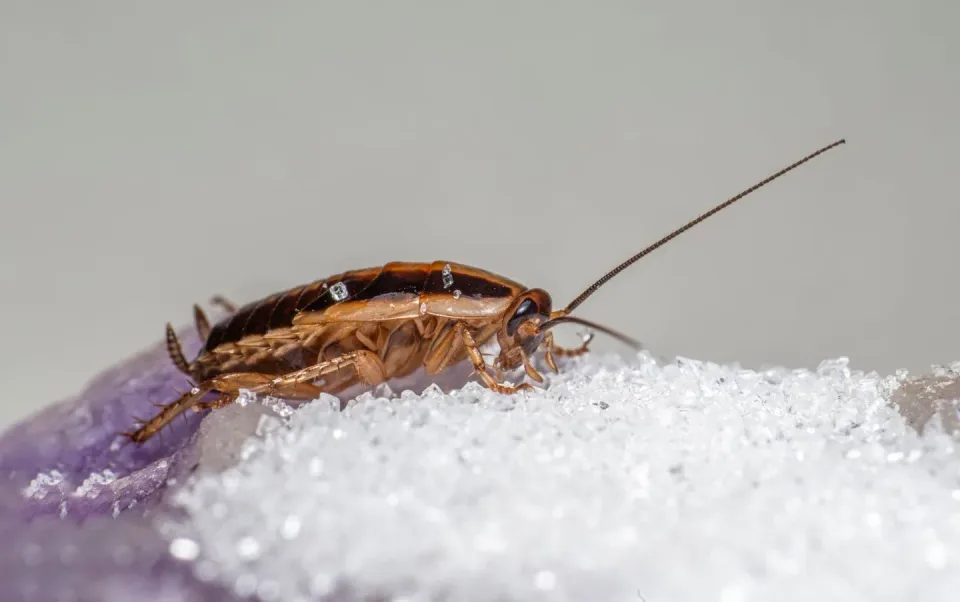
Cockroaches often appear after lights go out because darkness gives them cover to search for food and water. Seeing one at night can point to a nearby hiding place, though a single sighting does not reveal how many are present. Check under the sink, behind appliances, and around food storage for activity or droppings.
A customer saying they need someone to come out and kill the roaches is looking for more than a quick spray; identification and a plan for follow-up matter too. If you hoped to get help for ants but found roaches instead, report the change so the visit addresses the pest actually present.
Ask whether a follow-up is scheduled after initial treatment. Boston Common anchors a busy urban setting where careful indoor inspection is useful.
Why does darkness bring cockroaches into view?
Cockroaches are generally more active at night, when a dark room gives them a safer route to food and water. A sudden light can send them toward a crack, appliance gap, or other shelter.
That behavior explains why you may see them only after bedtime; it does not prove they entered the home that evening. Look for the route, not just the insect.
In Massachusetts homes with connected rooms or shared walls, a kitchen sighting may warrant checking nearby plumbing and appliance spaces as well.
What does repeated nighttime activity suggest?
Repeated sightings in the same area are a reason to look for an indoor harborage and its conditions. Crumbs, uncovered food, leaks, and warm spaces behind appliances can make a kitchen attractive.
Clean surfaces, dry standing water, and close food containers while you observe where insects appear. South Station is a familiar example of a dense, active urban environment; in buildings with many connected spaces, inspection should consider more than the visible spot.
We start with pest identification and check likely hiding places before recommending treatment. That helps distinguish an isolated visitor from continuing indoor activity.
Can damp basements contribute to the problem?
They can. Coastal humidity can worsen crawlspace and basement dampness, so persistent moisture below living areas may be one condition worth correcting alongside insect treatment.
Check for leaks, condensation, or stored items that block access to damp corners. Do not assume moisture alone explains every sighting; food access and sheltered gaps also matter.
Hurricanes and tropical remnants can bring heavy rainfall, and water intrusion may change conditions in a basement. After a storm, dry affected areas when safe and note where activity appears.
Our Massachusetts inspections include checking accessible areas for conditions that can support pest activity.
When should you call a professional instead of treating it yourself?
If you see roaches repeatedly, find activity in several rooms, or cannot locate the hiding place, a professional inspection is a sensible next step. For a brief, isolated sighting, clean the area, secure food, and monitor before applying products.
Avoid spraying randomly into cracks: treatment in the wrong place can miss the harborage and complicate later control. Near Lowell National Historical Park, older converted buildings can have varied layouts; regardless of building type, a clear record of where and when you see insects helps direct an inspection. We explain findings in plain language and match treatment to the identified pest.
Why does the nighttime pattern keep returning?
The insect may keep appearing if access to food, water, and shelter remains unchanged, or if treatment fails to reach its hiding place. A one-time visible reduction is not the same as confirming the source has been addressed.
In inland areas, larger temperature swings can shift indoor conditions; keep an eye on warm, protected spots around appliances and utility penetrations. In our fieldwork, a common missed step is checking behind equipment rather than only along open floors.
For more on targeted control, see Cockroach Extermination. You can also contact Massachusetts Pest Pros to arrange an inspection and discuss the signs you have found.
Cockroach Control Starts With the Right Treatment
The right approach depends on where cockroaches hide and whether the goal is monitoring or treatment. Targeted crack-and-crevice applications focus on likely harborages rather than broad, indiscriminate spraying.
| Option | Best for | Key detail |
|---|---|---|
| Glue board monitoring | Checking activity | Place in protected locations and review results |
| Targeted crack-and-crevice applications | Treating identified hiding places | Directs product into suitable cracks and gaps |
| Gel bait application | Reaching concealed activity | Placement depends on inspection findings |
| Whole-home termite inspection | Checking for termite activity | Not a cockroach treatment; assesses the structure for termites |
Rodent trapping addresses a different pest, so it should not be substituted for cockroach control. If a separate rodent concern is found, documenting entry points can help guide exclusion. Wasp nest removal likewise requires identifying a nest and should not be confused with indoor roach treatment.
Prepare for a Cockroach Inspection
Start with the places where you see insects, then make the work area easy to inspect. A clear estimate depends on useful observations and access to likely hiding spots. Boston Common provides a recognizable city reference, but the same preparation helps homeowners across Massachusetts.
-
Record sightings: Note the room, time, and location so the technician can focus the inspection.
-
Secure food and dishes: Put food, dishes, and pet bowls away before interior treatment is considered.
-
Clear appliance access: Move items from under sinks and around appliances without dismantling equipment.
-
Share household details: Tell the technician about pets, aquariums, and sensitive occupants before service.
-
Follow directions: Keep people and pets away from treated areas until the product-label re-entry instructions allow return.
-
Review monitoring: Follow-up monitoring checks whether the treatment worked and whether activity continues.
Get a Clear Plan for Nighttime Cockroach Activity
Cockroaches appearing after lights go out are using darkness to move between shelter, food, and water. Repeated sightings, signs in multiple rooms, or activity you cannot trace are good reasons to request an inspection.
At Boston Logan International Airport, travelers know that coastal wind and salt air are part of the region; at home, those conditions can make exterior inspection worth including in a broader assessment. Fall leaf litter can shelter pests outdoors, so keep areas next to the home in mind when describing what you see.
Massachusetts Pest Pros can identify the activity, explain practical treatment options, and outline what to watch afterward. Ask about Cockroach Extermination or call (855) 681-0299.