Pest Control · Gloucester, MA
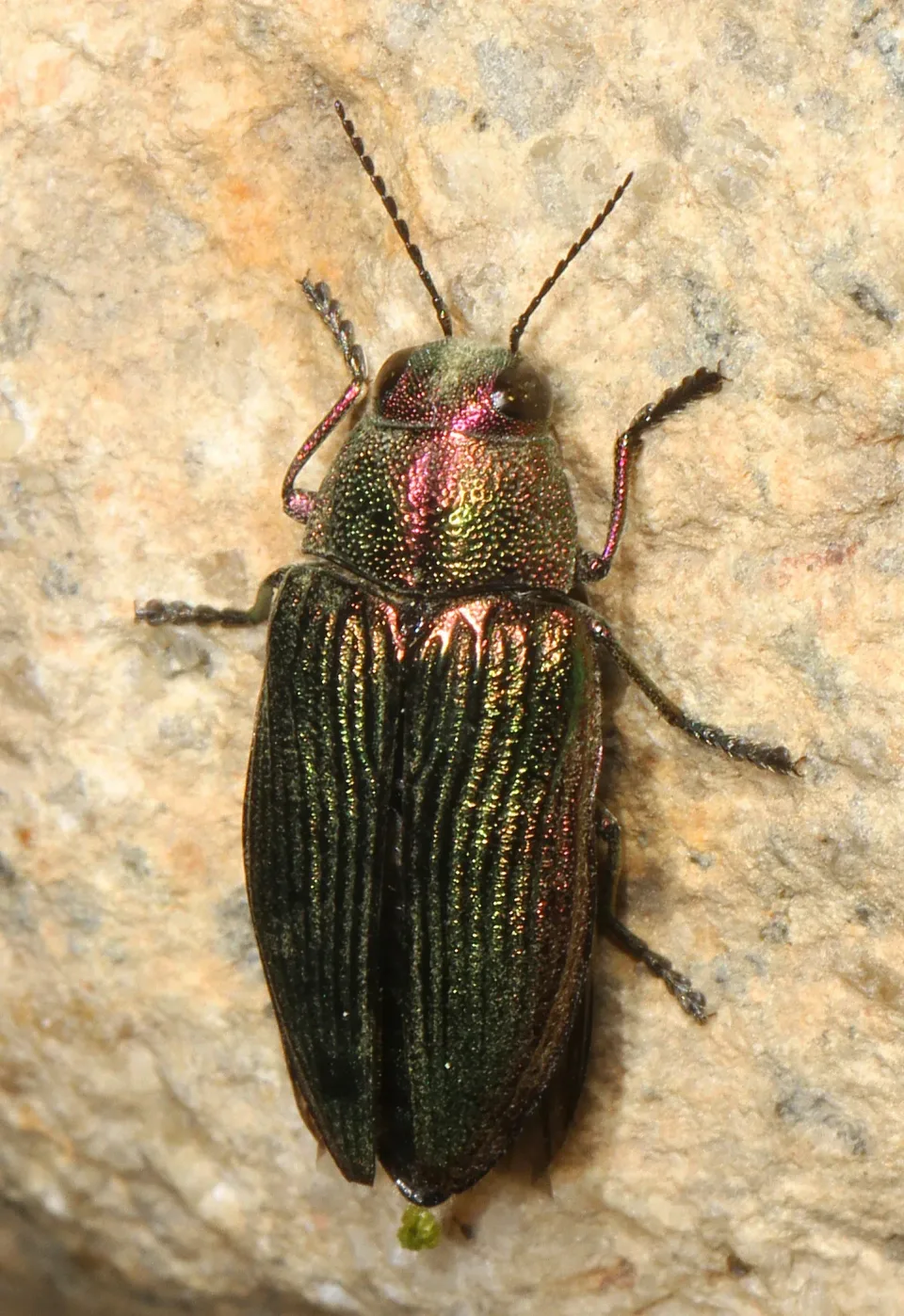
Pest Control in Gloucester, MA: Powderpost Beetle, Clothes Moth & Pantry Moth Treatment
Gloucester homes fight two battles at once. Salt air and fog keep crawlspace and basement damp high in neighborhoods like Rocky Neck and Lanesville, and that moisture draws the insects and rodents that thrive in damp wood and wet soil.
- Serving since 2016
- Massachusetts pesticide applicator licensing
- National Pest Management Association membership
- Serving since 2016
- Massachusetts pesticide applicator licensing
- National Pest Management Association membership
When a nor'easter pushes coastal flooding up Stage Fort Park's low ground or a summer storm dumps inches of rain in a day, basements flood and rodents get pushed indoors looking for dry ground. Our team covers all of Gloucester, from Riverview Landing and Bay View out to Lands End and Dogtown Commons, in ZIP codes 01930 and 01931. We work on shingled seaside cottages, historic fishing-port buildings, and older multifamily homes each with its own entry points and moisture pattern. One thing we tell every homeowner: a mouse needs a gap about the width of a pencil, and winter snow often hides exactly those gaps along a foundation until spring. Cold winters also change our timing. Snow and ice can limit exterior treatments, so we plan exterior work for the freeze-thaw windows and handle interior exclusion and monitoring through the deep cold. If you hear scratching behind a bedroom wall or find droppings under the kitchen sink, call (855) 681-0299 and we will walk the property with you.
How to Get Reliable Pest Control in Gloucester, MA
Gloucester’s commercial fishing heritage shaped a city of older wood-frame houses and multifamily buildings, from the streets near the Fishermen’s Memorial to the cottages along the road out to Eastern Point Lighthouse. Spring freeze-thaw cycles open new foundation gaps every year, and fall leaf litter around yards near Stage Fort Park gives ticks and rodents shelter through the cold months. Those two patterns drive most of the calls we get: something got in through a gap that did not exist last year, or something moved in with the leaf pile.
We schedule around your access attics, crawlspaces, and the tight mechanical rooms common in older Gloucester buildings and we follow up on prevention steps, not just the first spray. Expect a written finding, a matched treatment, and a clear list of what to fix so the problem does not return next season.
The Pest Control Jobs We Handle Most in Gloucester
Three situations fill most of our Gloucester schedule. First, rodents in the heating season: Gloucester’s long heating seasons pull mice and rats into walls, and sudden downpours flood basements and disturb rodent nests, sending them upward into living space.
We run rodent exclusion and mouse or rat extermination with tamper-resistant bait stations and sealed entry points. Second, older multifamily buildings near downtown and Rocky Neck share walls, so cockroach extermination and bed bug treatment in one unit often need coordination across units we treat accordingly.
Third, wet springs leave standing water that multiplies mosquito breeding sites, so mosquito control and tick yard treatment ramp up from May onward.
A quick self-check: walk your foundation after the snow melts and look for gaps where soil has shifted or mortar has cracked. Snow cover can conceal exterior entry points all winter, so spring is when problems surface. We cover all of Gloucester in 01930 and 01931, and a pest inspection is the fastest way to know what you are dealing with.
Why Does Summer Heat Change Pest Pressure Near Good Harbor Beach?
Summer heat increases insect activity and indoor infestations, and in Gloucester that effect is amplified by the rental turnover and open-window season around Good Harbor Beach. Wasps build in porch eaves, ants trail across kitchen counters, and powderpost beetles and carpenter bees attack the bare wood of shingled seaside cottages. A cottage that sat quiet all spring can host an active nest by July.
Nor’easters bring heavy snow, wind, and coastal flooding the reverse problem. Flooding near low-lying areas pushes rodents and moisture pests into elevated living space, and wind damage opens new entry points that stay hidden until the next warm week. After any major coastal storm, we check rooflines, soffits, and foundation seams before treating.
For treatment itself, we follow EPA Integrated Pest Management principles: identify the pest first, fix the moisture condition, then apply the least product that solves the problem. Moisture control is the step most homeowners skip, and it is the one that keeps carpenter ant and powderpost beetle problems from returning. If you see frass or a fresh nest, call before it spreads.
Neighborhoods We Serve in Gloucester
We cover every Gloucester neighborhood by truck, not by map pin. In Riverview Landing, riverside moisture and older construction make crawlspace inspection part of nearly every visit.
Rocky Neck’s mix of art-colony studios and seasonal cottages means wasp nest removal and carpenter bee treatment spike in summer. Bay View’s elevated lots shed water well, but exposed rooflines take nor’easter damage that opens entry points for cluster flies and stink bugs.
Lanesville’s quieter lanes have older single-family homes where DIY pest control often masks a rodent problem for months before we find the real entry gap. Lands End properties sit close to open coastline, so salt air and wind-driven rain drive recurring moisture pest work.
Riverdale’s residential streets see steady ant extermination and tick yard treatment demand through the warm months, and we route out to Dogtown Commons-area homes for seasonal pest inspections. One call covers the whole city (855) 681-0299.
Why us
Local Pest Control in Gloucester, MA
Gloucester homes face coastal moisture, old foundations, and pests that move with the weather, and we plan every visit around those conditions.
We Confirm First
Every job starts by identifying the exact pest before any product is chosen. You get a clear explanation of what we found, what caused it, and which treatment fits, so you know what you are paying for.
Coastal Experience
Fog, sea breezes, and nor'easter flooding change how pests enter and where they nest. We work across Massachusetts coastal towns and adjust inspection and treatment plans to damp basements, aging siding, and wind-driven moisture.
Clear Communication
We coordinate routes so you know when to expect the visit. Technicians explain the activity they find, walk you through treatment options, and note practical steps for sealing entry points or removing what attracts pests.
Our process
How a visit works
Here is how a typical job runs from your first call to the finished treatment.
Describe the Problem
You call or message with what you are seeing, where, and for how long. We ask a few questions to narrow the likely pest and schedule an inspection at a time we confirm with you in advance.
Inspect and Identify
A technician checks the areas you reported plus the entry points and conditions that support the pest. You get a confirmed identification, an explanation of the activity, and a written scope before any treatment begins.
Treat the Target
We apply the treatment matched to the confirmed pest, following product-label instructions for re-entry and keeping children and pets away from active areas. You know exactly which spaces were treated and when they are safe to use.
Prevent and Monitor
We note the entry points and conditions to fix, from gaps at utility lines to moisture near the foundation. If monitoring shows continued activity, we schedule a follow-up inspection so the problem does not rebuild.
Warning signs
Signs to watch for
Ant trails on counters
Follow the line back to where it enters the wall or window frame, wipe the trail to erase the scent path, and store food in sealed containers before calling.
Mud tubes on the foundation
Mud tubes on the foundation are a classic termite sign. These pencil-width tunnels protect termites moving between soil and wood. Do not break them off before an inspection, since their location helps a technician map the activity.
Roaches after dark
Cockroaches appearing after lights go out suggest a growing population hiding in wall voids and warm appliance gaps. If you see them at night, check under sinks and behind the stove for droppings and egg cases, then book an inspection.
Wasps at the eaves
Wasps entering gaps beneath porch eaves often mean a nest is building inside the void. Watch the flight path from a distance at midday when traffic is heaviest, and avoid sealing the opening before the nest is treated.
Through the year
Pests change with the coast
Spring
Warming temperatures push ants out of overwintering spots and into kitchens and bathrooms. Coastal fog keeps foundations damp, which draws foraging trails. An early inspection catches colonies before trails spread through the house.
Summer
Ticks and stinging insects peak in warm months, and yards, porches, and low branches all become habitat. Treatments and nest removals are most effective when populations are active and easy to locate.
Fall
Cooler nights send mice and other rodents looking for winter shelter, and gaps around utility lines and foundations become doorways. Sealing entry points and treating activity now prevents an indoor population from settling in.
Winter
Moderated coastal winters mean rodents and roaches stay active indoors instead of dying back. Nor'easter wind and flooding also push pests into damp basements and wall voids, making winter a good time for interior inspections.
Before you hire
Questions to ask before you hire
Are your technicians licensed pesticide applicators?
Massachusetts requires pesticide applicator licensing. Asking confirms the person treating your home is trained and legally authorized to apply products.
What is the service schedule and how do I know when you are coming?
A provider that coordinates routes and confirms visit windows respects your time. Vague scheduling usually means missed appointments and untreated activity.
What exactly is included in the treatment plan?
Some quotes cover only the initial application. Ask whether inspections, follow-up visits, and entry-point recommendations are part of the scope before you agree.
What do I need to do to prepare for the visit?
Interior treatments often require storing food and dishes, keeping children and pets away, and reporting aquariums or sensitive occupants. Knowing this ahead of time avoids a rescheduled visit.
Ready to get started?
Call to talk through your job in Gloucester.
10+
Years serving Gloucester
89
Areas served
Pest Control FAQs in Gloucester, MA
Straight answers for customers in Gloucester on pricing, delivery, and scheduling.
How much does pest control cost in Gloucester, MA?
Mouse service typically runs $200–$600 depending on entry points and follow-up visits, ant treatment $150–$400, and bed bug treatment $500–$1,500 based on rooms and method. Termite treatment ranges $800–$3,000 with structure size and infestation extent as the main drivers. Final quotes vary by infestation, property access, treatment method, and site conditions we confirm pricing after a pest inspection.
Do you serve the Lanesville and Rocky Neck neighborhoods?
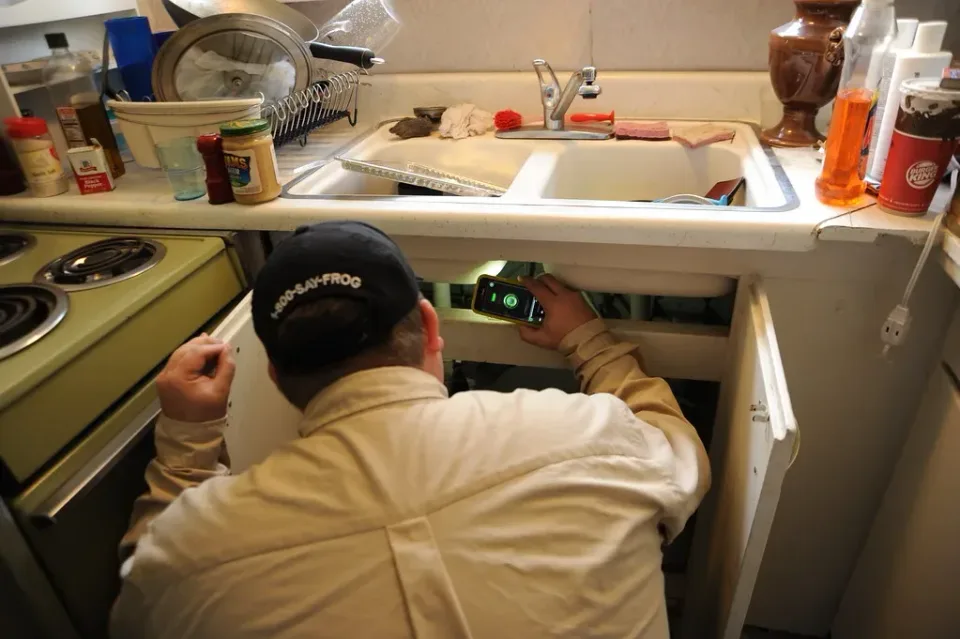
Yes. We cover all of Gloucester, including Lanesville, Rocky Neck, Bay View, Riverdale, and Lands End, in both 01930 and 01931. Coastal properties in those areas often need moisture-focused treatments, so we bring a moisture meter on first visits.
When is the best time of year for rodent exclusion in Gloucester?
Early fall, before the heating season drives rodents indoors. Cold winters and snow can limit exterior treatments, so sealing entry points in September or October is far easier than chasing mice through a February wall. Spring is the second-best window, when freeze-thaw damage exposes new foundation gaps.
Are your technicians licensed in Massachusetts?
Yes. We provide product records in writing after each visit.
ZIP Codes We Serve in Gloucester, MA
Pest Control covers every ZIP code in Gloucester, MA.
Meet Your Local Experts

Daniel Mercer Lead Expert
Massachusetts Pest Pros
"Clear Answers. Targeted Pest Control."
I started in pest control working in Boston homes, where old foundations, shared walls, and basement utility lines often give rodents and insects a way inside. I built my work around explaining what I find and how to prevent a repeat problem, then expanded service across Massachusetts to address seasonal issues like spring ants and summer ticks.
Get a Pest Control Quote in Gloucester, MA
Share job details below or call our team directly. Phone: (855) 681-0299
Service Areas Within 30 Miles of Gloucester
Pest Control is also available in these nearby communities.