Skip to content
Flying Termite — Pest Control

Pest Control · Quincy, MA

Pest Control in Quincy, MA: Carpenter Ant, Termite & Bed Bug Treatment

Quincy homes put up with a lot. Salt air off Wollaston Beach, Nor'easter wind, and humid summers that push mosquitoes, ticks, and moisture pests toward every damp crawlspace in Germantown and Port Norfolk.

  • Serving since 2016
  • Massachusetts pesticide applicator licensing
  • National Pest Management Association membership

Request a quote

Tell us what you need and we will call you back.

Request a quote

Dense urban neighborhoods combine older buildings and shared walls, which means a mouse problem in one unit rarely stays in one unit. We treat the building, not just the unit that called. That means entry-point exclusion, monitoring devices in shared basements, and honest notes about what we find. Summer heat matters here. Insect activity climbs across Quincy, from Victorian houses near Adams National Historical Park to multifamily blocks off Hancock Street, and humid summers support mosquitoes, ticks, and moisture pests that thrive in damp coastal basements. Call (855) 681-0299 and we will schedule an inspection that fits your block, your building, and your schedule.

How to Choose Who Treats Your Quincy, MA Home

Quincy is a coastal city with a coastal humid climate and real Nor’easter wind exposure, and that combination shapes pest pressure block by block. Near Wollaston Beach and the USS Salem at the shipyard, salt air and damp basements keep moisture pests active.

Inland toward the Quincy Quarries and granite masonry buildings near Adams National Historical Park, spring freeze-thaw cycles expose foundation gaps that rodents use all winter. Snow cover can conceal exterior entry points, so a hole that opened in March often goes unnoticed until scratching starts inside bedroom walls.

Massachusetts Pest Pros serves Quincy from a dispatch team based in Massachusetts, with scheduling built around the city’s housing mix. Expect a licensed applicator who explains findings in plain language, matches treatment to the pest, and follows up on prevention steps. We schedule around your access needs, whether that is a third-floor triple-decker unit or a basement with utility lines blocking the crawlspace hatch.

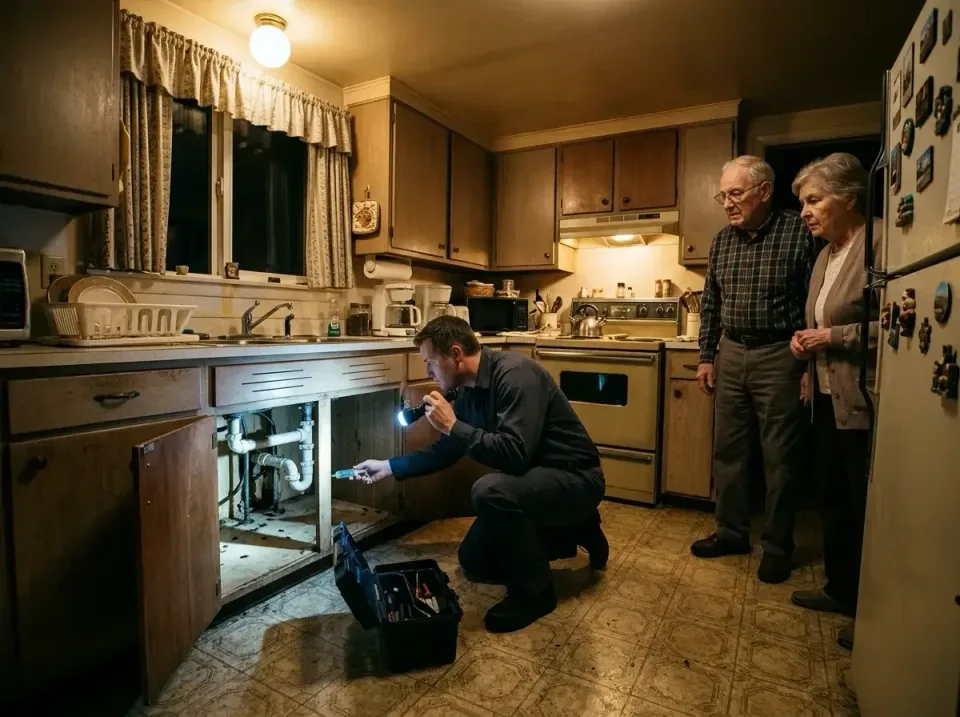
Pest Control Technician — Residential Kitchen

What Pest Problems Do Quincy Homes Call About Most?

Three calls dominate our Quincy schedule. First, rodents: long heating seasons encourage rodents into buildings, and sudden downpours can flood basements and disturb rodents, pushing them up into wall cavities.

We run rodent exclusion and bait stations, and we seal gaps before winter rather than after. Second, ants and termites: Nor’easters bring heavy snow, wind, and coastal flooding, and coastal towns like Quincy take stronger winds and salt air that stress older foundations.

We handle ant extermination, termite inspection, and termite treatment across the triple-deckers and Victorian houses that make up much of the housing here. Third, yard pests: fall leaf litter creates shelter for ticks and rodents, especially in leafy yards near Merrymount and the Blue Hills edge.

A quick self-check: run your hand along basement sill plates and look for grease smudges or droppings. If you find either, call (855) 681-0299 before the population grows. We cover every Quincy ZIP: 02169, 02171, 02170, and 02269.
Daniel Mercer

Service Expert at Massachusetts Pest Pros

I started in pest control working in Boston homes, where old foundations, shared walls, and basement utility lines often give rodents and insects a way inside. I built my work around explaining what I find and how to prevent a repeat problem, then expanded service across Massachusetts to address seasonal issues like spring ants and summer ticks.

10+ years experience Massachusetts pesticide applicator licensing National Pest Management Association membership

Coastal Humidity Changes How We Treat Quincy Basements

Coastal humidity can worsen crawlspace and basement dampness, and in Quincy that shows up in basements from Germantown to Port Norfolk. Damp sills attract carpenter ants and termites, and moisture pests thrive where dehumidifiers run constantly. We use a moisture meter on every inspection near Wollaston Beach and the shipyard, because treating the pest without fixing the damp condition guarantees a callback.

How we work matters as much as what we spray. We follow EPA Integrated Pest Management principles: identify the pest first, correct the condition, and use the least aggressive effective treatment.

If you want to verify a product yourself, the National Pesticide Information Center publishes plain-language fact sheets. Or simply ask us. We explain findings in plain language before any treatment starts. That is the standard we hold on every Quincy job, from Fore River shipyard blocks to homes near the Quincy Quarries.

How We Cover Quincy Neighborhoods Block by Block

Quincy is not one pest profile, so we adjust by neighborhood. In North Braintree-edge blocks and Lincoln Heights, leafy yards back up to wooded edges, so tick yard treatment and fall rodent exclusion lead the schedule.

Germantown and Port Norfolk sit low near the water, where coastal humidity can worsen crawlspace and basement dampness and spring freeze-thaw cycles expose foundation gaps that mice use by winter. Cedar Grove homes near the Blue Hills edge deal with ants trailing in from yard colonies each spring.

Lower Mills and Brush Hill carry older Victorian housing where carpenter ant treatment and termite inspection matter most, since damp sill plates invite wood-destroying pests.

We follow EPA pesticide label directions on every job, and when a customer prefers a low-chemical approach, we build a no-chemical plan around exclusion, sanitation, and monitoring devices first. Every neighborhood gets the same standard: identify before treating. Call (855) 681-0299 and tell us your street; we will tell you what we typically find there.

Why us

Local Pest Control in Quincy, MA

Quincy homeowners call us because we explain what we find and fix the way pests get in, not just what they see.

Clear Explanations

Every technician walks you through the pest activity found on site, the treatment options that fit it, and the practical steps that keep the problem from coming back. You know what was done and why.

Sealing the Entry

Old foundations, shared walls, and basement utility lines around Quincy give rodents and insects an easy way inside. We point out those openings and note the sealing work that stops repeat visits.

Our process

How a visit works

From the first phone call to the finished treatment, the job follows a plain sequence.

01

Confirm the Pest

The call starts with questions about what you are seeing and where. We confirm the target pest before selecting any treatment, so the product and method match the actual problem.

02

Inspect the Property

A technician inspects the affected areas and the conditions around them, checking entry points, moisture, and harborage. You get a clear read on the extent of the activity before any work is priced.

03

Treat and Explain

The crew applies the agreed treatment and explains what was used and where. You also get notes on sealing gaps and reducing the conditions that drew pests in the first place.

04

Follow Up on Activity

When monitoring shows continued activity, we schedule follow-up inspections to check the results. You finish with a record of what was treated and what to watch for going forward.

Typical jobs

Typical jobs in Quincy, MA

Across pest control calls, the most common reasons people reach out are general pest control, rodents and ants.

Typical job

A landlord finds bed bugs in a

A technician inspects the apartment, checks mattress seams and nearby furniture, and explains what a heat treatment involves before putting together an estimate for the work. The owner gets a written scope of the treatment and knows what preparation the unit needs before the crew arrives.

Typical job

A wasp nest hangs low on a

A technician treats the nest directly at its attachment point and explains how to keep children and pets away from the area until the product has done its work. The nest is knocked down and the yard is safe to use again once the re-entry time on the label has passed.

Warning signs

Early warning signs

Cockroaches After Dark

Cockroaches that scatter when a light switches on usually mean a larger population hiding in wall voids and under appliances. Daytime sightings are an even stronger sign the problem has grown.

Ant Trails Along Baseboards

Ants moving in a line along counters or baseboards are following a scent trail back to a nest. Wiping the trail helps temporarily, but the colony needs to be located and treated.

Gnaw Marks and Shredded Nesting

Fresh gnaw marks on baseboards, shredded paper in hidden corners, or greasy rub marks along walls point to rodent activity. Finding these early makes sealing entry points much simpler.

Through the year

Pest pressure through the year

Spring

Warming soil pushes ants out of overwintering nests and toward kitchens across Quincy. Coastal humidity also wakes up termites, so spring is a good time to check foundations for mud tubes.

Summer

Ticks thrive in the humid, brushy edges of coastal yards, and wasps build nests under eaves and in trees. Treatments and nest removals are easiest before colonies reach full size.

Fall

Nor'easter winds and cooling nights push mice and other rodents toward warm wall voids and basements. Sealing entry points in fall keeps them from settling in for the winter.

Winter

Rodents that moved indoors stay active behind walls all winter, and heated homes shelter cockroaches. Winter inspections catch hidden activity before spring populations build again.

Before you hire

Questions to ask before hiring

Q1

What exactly is included in the treatment?

Ask whether entry-point sealing advice, monitoring, and follow-up visits are part of the job or billed separately, so there are no surprises.

Q2

What do I need to do before the crew arrives?

Interior work usually means storing food and dishes, keeping children and pets clear of treated areas, and reporting pets, aquariums, or sensitive occupants ahead of time.

Q3

What are the terms if I need ongoing service?

Understand how long any agreement runs, what happens if activity returns between visits, and how either side can change or end the arrangement.

Ready to get started?

Call to talk through your job in Quincy.

10+

Years serving Quincy

76

Areas served

FAQ

Pest Control FAQs in Quincy, MA

Straight answers for customers in Quincy on pricing, delivery, and scheduling.

Do you treat triple-deckers and multifamily buildings in Quincy?

Yes. Much of Quincy’s housing is triple-decker apartments and dense multifamily blocks, where shared walls let pests move between units. We treat the building pathway, not just the calling unit, and coordinate access with tenants and owners in Germantown, Port Norfolk, and across the 02169, 02171, 02170, and 02269 ZIP codes.

When should Quincy homeowners worry about termites?

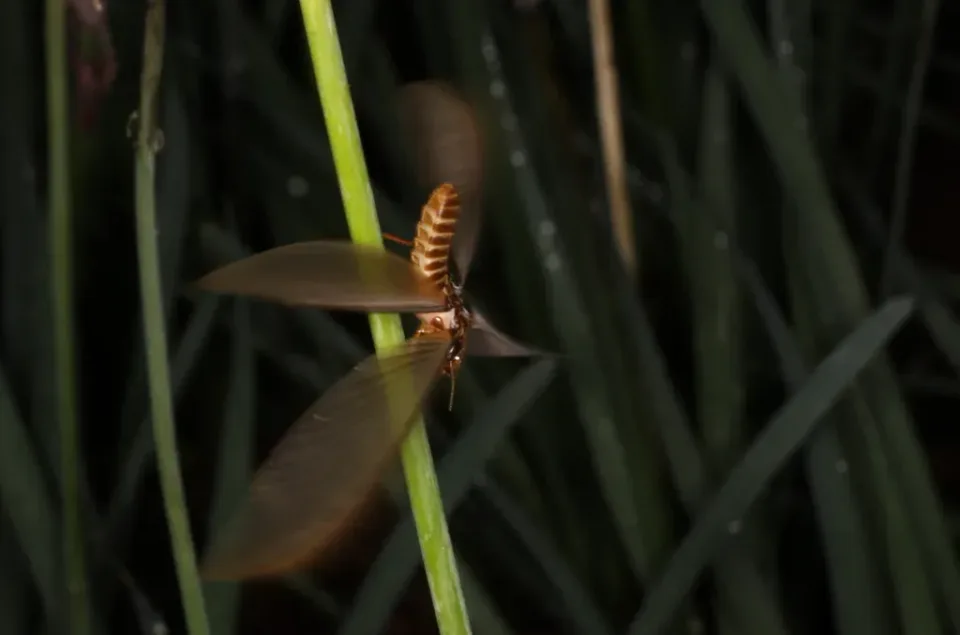
Termite swarm activity often increases during spring, and damp coastal basements in Quincy make older sill plates vulnerable. Check your foundation each spring for mud tubes near the foundation and discarded wings on window sills. If you find either, schedule a termite inspection before damage spreads inside the sill structure.

Can I get pest control without chemicals in Quincy?

Yes. We build low-chemical and no-chemical plans around exclusion, sanitation, monitoring devices, and habitat correction first, following EPA Integrated Pest Management principles. For heavy infestations we will tell you honestly when a targeted treatment is the faster, safer path, and we explain every product before applying it.

ZIP code

ZIP Codes We Serve in Quincy, MA

Pest Control covers every ZIP code in Quincy, MA.

02169021700217102269
Local Leadership

Meet Your Local Experts

Daniel Mercer Lead Expert

Massachusetts Pest Pros

"Clear Answers. Targeted Pest Control."

I started in pest control working in Boston homes, where old foundations, shared walls, and basement utility lines often give rodents and insects a way inside. I built my work around explaining what I find and how to prevent a repeat problem, then expanded service across Massachusetts to address seasonal issues like spring ants and summer ticks.

10+ years experience Massachusetts pesticide applicator licensing National Pest Management Association membership
Get a Quote

Get a Pest Control Quote in Quincy, MA

Share job details below or call our team directly. Phone: (855) 681-0299

Call Us

(855) 681-0299

Our Location

Quincy, MA

Working Hours

Mon–Sun 8am–8pm