Why Are Ants Marching Across Your Kitchen Counter?
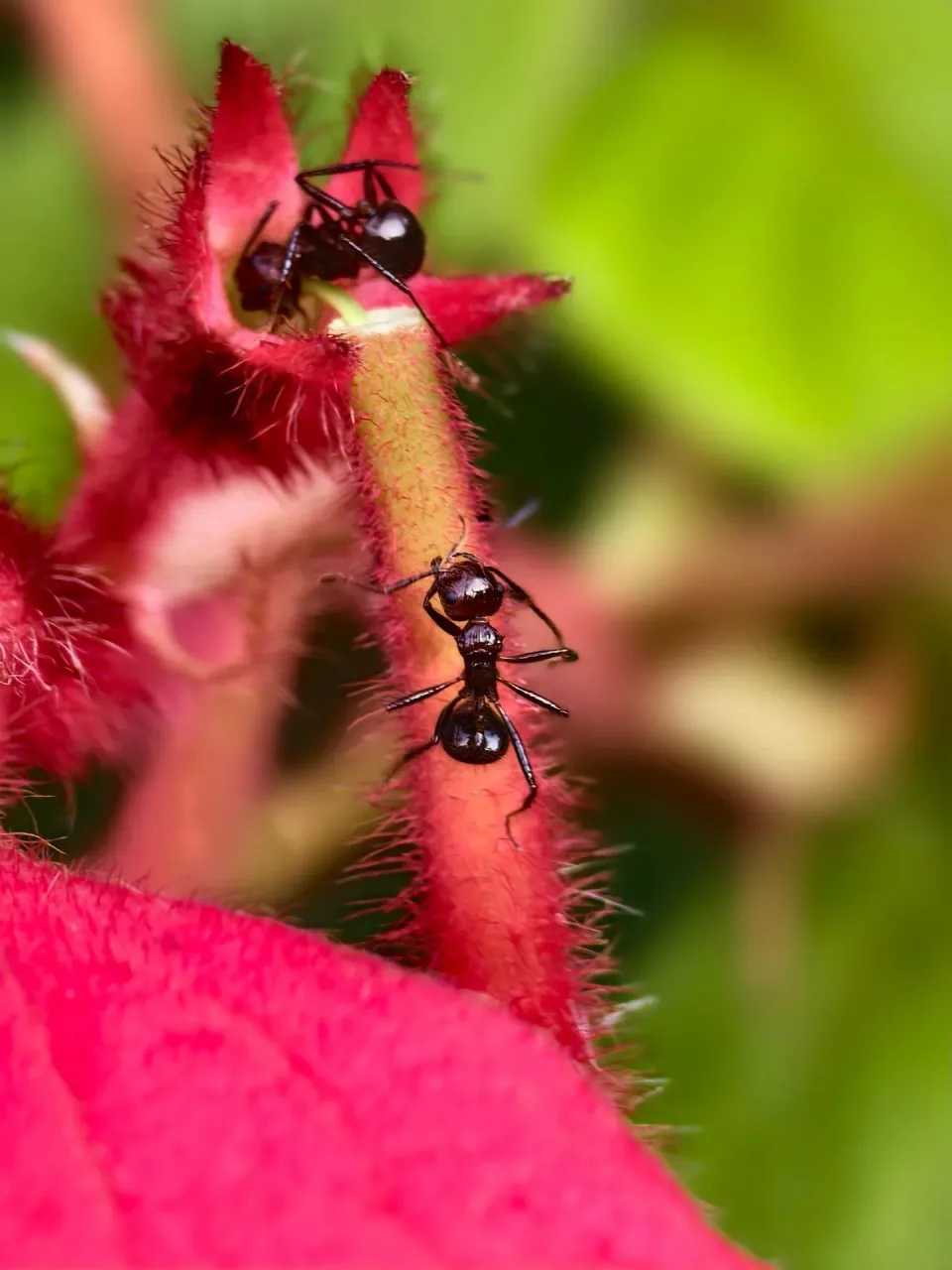
Ants trailing across kitchen counters almost always start somewhere you can find and the fastest fix is tracing the line back to its entry point instead of spraying the ants you can see. Follow the trail, not the individuals. In triple-deckers and older rowhouses around the Nantucket Whaling Museum district, shared walls and aging foundations give ants plenty of hidden routes, which is why a trail that seems to vanish at the backsplash usually resumes somewhere else.
Summer heat pushes colonies indoors fast; a colony can relocate its foraging route in a day. Here’s the quick picture:
| Clue | What it tells you | Typical next step |
|---|---|---|
| Trail along one edge of the counter | Entry is nearby, often a window or pipe gap | Trace both directions |
| Trail disappears at backsplash | Gap behind sink or appliance | Check under sink cabinet |
| Ants only at night | Colony is far from the food source | Baiting, not spraying |
| Line reappears after rain | Exterior colony flooded out | Inspect foundation gaps |
Massachusetts Pest Pros handles this trace on every ant service call, because the entry point not the counter is what needs treating.
How Do You Trace a Trail Back to Its Source?
A kitchen-counter ant trail begins at an entry point a gap around a pipe, window frame, or foundation crack and the counter is just the destination. Treat the trail’s start, not its middle. We’ve traced lines through triple-deckers near Boston Logan International Airport where the actual entry turned out to be a utility penetration two floors below the kitchen. That’s the mistake most homeowners make: they wipe down the counter, the ants return within a day, and nothing about the colony has changed.
Start at the food. Watch the line for a few minutes and mark where each end goes a pencil dot at the baseboard, the window sill, the pipe chase under the sink.
Ants follow scent trails, so the route stays consistent, often hugging edges where wall meets counter. If the line vanishes at a cabinet seam, open the cabinet with a flashlight and look for ants crossing the back wall or floor gap.
In homes near Cape Ann Museum, where older wood-frame construction is common, we frequently find the continuation inside a wall void rather than in plain sight.
Where Do Ants Usually Enter a Massachusetts Kitchen?
The three most common entry points we find are the gap where the sink supply lines pass through the cabinet back, worn weatherstripping under exterior doors, and foundation cracks that opened during spring freeze-thaw cycles. Summer heat increases insect activity and indoor infestations, so what was a minor exterior trail in June becomes a kitchen problem by August. Coastal towns often experience stronger winds and salt air, which accelerates wear on door sweeps and caulk lines homes near the Cape Cod National Seashore tend to need more frequent exterior sealing than inland properties.
When Should You DIY and When Should You Call a Pro?
If you can find the entry and the trail is short-lived, a gel bait placed along the route often collapses the colony on its own. Call us when the trail reappears after a week, when ants are emerging from wall voids or outlets, or when you’re seeing winged swarmers those indicate a mature colony that bait alone may not reach.
We use crack-and-crevice treatment and toxicant bait rather than broad residual sprays, because spraying kills the foragers you see and leaves the colony intact. That’s the failure mode we see repeatedly: a store-bought spray that made the problem look solved for two weeks.
What Should You Fix Before the Next Season?
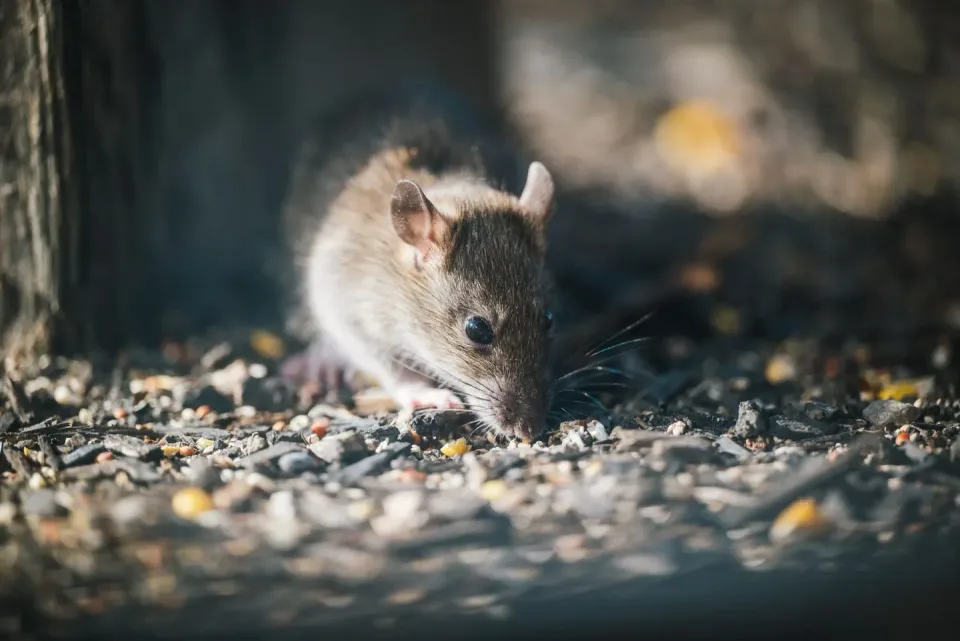
Long heating seasons encourage rodents into buildings, and the same gaps ants use serve larger pests if ants got in through a 1/8-inch crack, mice can exploit openings near that same foundation line. Fall leaf litter creates shelter for ticks and rodents close to the house, so clearing it back from the foundation reduces pressure on every entry point.
For a full walkthrough, our Pest Inspection covers both; for an active colony, Ant Extermination pairs baiting with entry sealing. More seasonal guidance lives on the Massachusetts Pest Pros blog.
Which Ant Treatment Option Fits Your Trail?
A homeowner in a coastal cottage near the Hyannis Transportation Center called us after two rounds of counter spray the trail kept returning because the colony nested in a damp sill above a humid crawlspace. Bait beats spray when the nest is hidden. Coastal humidity can worsen crawlspace and basement dampness, and cold winters; snow and ice can limit exterior treatments, so the right method depends on season and moisture as much as on the ants. Inland areas typically have larger temperature swings, which pushes colonies indoors faster in shoulder months one more reason the treatment should match the situation:
| Option | Best for | Key detail |
|---|---|---|
| Gel bait application | Hidden colonies feeding along trails | Foragers carry bait back to the nest |
| Liquid residual treatment | Visible entry points and perimeter | Treats contact areas, not the colony |
| Residential perimeter treatment | Recurring seasonal pressure | Barrier applied around the foundation |
| Rodent exclusion | Gaps large enough for mice | Blocks entry points, not just pests |
Ask any provider which method they’d use and why if the answer is always a spray, the trail will be back. That’s the same principle behind the monitoring approach used at sites like Lowell National Historical Park’s historic structures: identify the source first.
How Do You Prepare for an Ant Service Visit?
Preparation decides whether one visit solves the trail or two are needed. Clear the trail zone before we arrive. Spring freeze-thaw cycles expose foundation gaps each year, so we’ll want to walk the exterior too the same way we’d plan a termite protection system check before scheduling around a same-day service window. Here’s what to do:
-
Confirm the target pest: Note whether ants are tiny sugar ants or larger carpenter ants, since treatment differs.
-
Clear access to sinks and appliance areas: Pull items from under the sink so pipe penetrations are visible.
-
Secure food, dishes, and pet bowls: Seal pantry items and lift pet bowls off the floor before application.
-
Report pets, aquariums, and sensitive occupants: Tell the technician before any product is used near those areas.
-
Keep children and pets away from active treatment areas: Follow the product-label re-entry instructions the technician gives you.
-
Schedule follow-up after initial treatment: Baiting works over days, so a recheck confirms the colony collapsed.
Do this and the visit near the Massachusetts State House corridor or anywhere else in the state goes faster and holds longer.
Ready to Stop the Trail at Its Source?
You followed the line, found the gap, and the ants still came back that’s the point where tracing on your own has done its job. The source matters more than the counter. We bring a thermal imaging camera on stubborn calls to find moisture and hidden activity inside wall voids, and for soil-dwelling colonies we may specify a Termidor liquid barrier at the foundation, applied under EPA-registered label directions. Snow cover can conceal exterior entry points through winter, so a gap you can’t see in January is still open in spring whether you’re in Boston along the Minute Man National Historical Park side of the metro or down by the New Bedford Whaling National Historical Park or the Connecticut River Walk and Bikeway.
Check three things before calling: where the trail enters, whether it returns after cleaning, and any damp spots near the foundation. Then contact Massachusetts Pest Pros or read our Ant Extermination service page one inspection pins down the source, and (855) 681-0299 gets you a quote.