What Should You Check on Mattress Seams First?
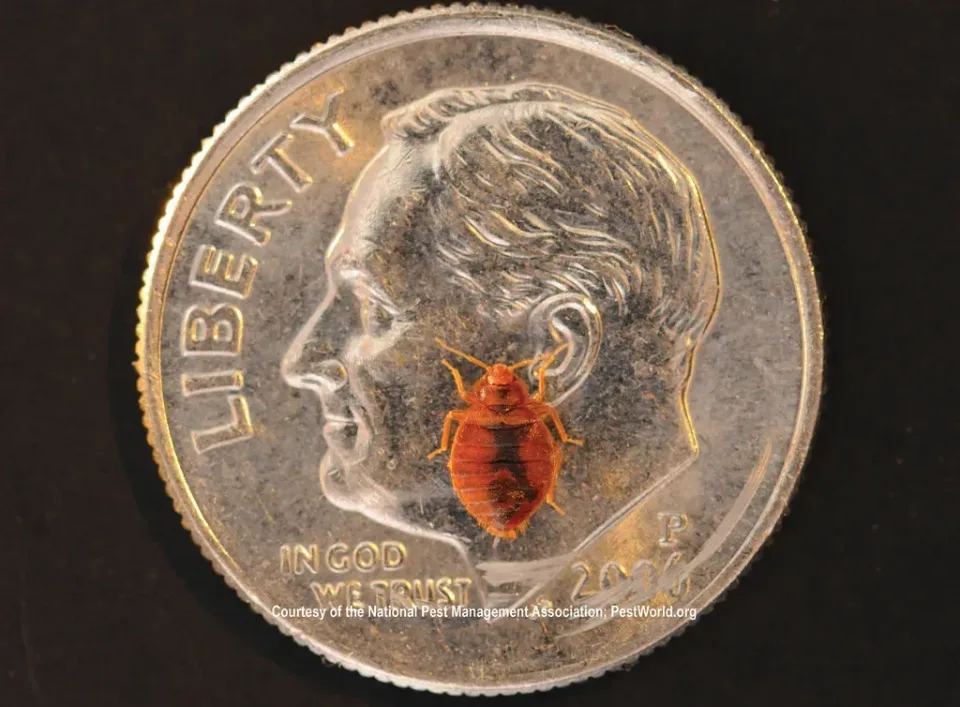
Bed bugs hiding along mattress seams call for a careful seam-by-seam inspection before you move bedding or apply a spray. Look for live insects, pale shed skins, tiny eggs, or dark spotting in piping, labels, and corners; one mark alone does not confirm an infestation. Bed bugs can survive months without feeding, so an empty-looking mattress does not rule them out.
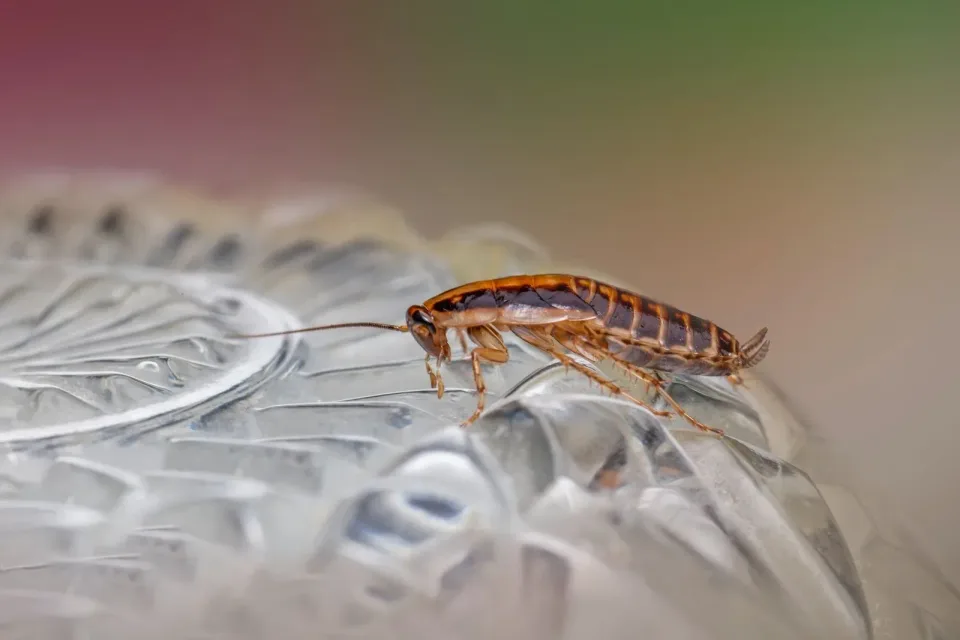
In Massachusetts, long heating seasons can also bring rodents indoors, but that seasonal pattern is separate from bed bug evidence and should not be mistaken for it. Check the bed frame and nearby upholstered furniture, too.
Boston Logan International Airport is a familiar travel hub; after a trip, inspect luggage and clothing rather than assuming a bite came from the mattress. Near New Bedford Whaling National Historical Park, as elsewhere in the state, we recommend documenting what you find before arranging treatment.
Which seam details point to bed bugs?
Start with the mattress piping, stitched labels, tufts, and corners. Use a flashlight and look slowly; a folded seam can hide a small insect from a quick glance.
Dark spots, eggs, shed skins, or live bugs are more useful evidence than bites alone, which cannot reliably identify the pest. Photograph suspicious material beside a ruler or common object, but do not scrape it into the bedding.
Keep the mattress in place while you inspect the box spring, bed-frame joints, and the floor edge near the headboard. In dense urban neighborhoods, older buildings and shared walls can make it harder to track where a problem began, so check the sleeping area systematically rather than blaming a neighboring unit without evidence. We document findings before recommending treatment.
Should you check beyond the mattress?
Yes inspect nearby hiding places, not just the visible top surface. Bed bugs can settle into box-spring fabric, screw holes in the frame, upholstered headboards, and cracks close to where someone sleeps.
Keep found items contained: bag washable bedding before carrying it through the home, and avoid moving furniture into another room. That can spread the problem.
Massachusetts coastal properties can face strong winds and salt air, but those conditions do not confirm bed bugs; the practical task is still a close indoor inspection. If you are near Salem Maritime National Historic Site, the same inspection steps apply as in any other Massachusetts home.
For more examples of evidence and careful next steps, read our guide to checking mattress seams.
Is DIY inspection enough, or should you call?
DIY inspection is a sensible first move when you find no clear evidence and can examine seams, the frame, and nearby furniture without disturbing them. Take photographs and note exactly where you saw a suspected insect or spotting.
Call a professional if you find a live bug, repeated signs in more than one location, or evidence you cannot confidently identify. Avoid broad, unlabelled pesticide use; it may miss concealed harborages and complicate a later inspection.
Snow cover in Massachusetts can hide exterior entry points for other pests, but it does not change where bed bugs should be checked indoors. In our field experience, the skipped step is often inspecting the bed frame after finding a mark on the mattress. We identify the pest and explain the treatment path before work begins.
What should you expect from a treatment plan?
A useful plan starts with pest identification and an inspection of the affected sleeping area, not an automatic whole-home application. A single-room bed bug treatment may be appropriate when activity is confirmed and confined, but the technician should assess adjoining furniture and rooms before choosing a scope.
Heat treatment reaches bed bugs through the treated area; residual products may provide continued control when applied according to their labels. Those methods are not interchangeable, and the right choice depends on the site and findings.
Edaville Family Theme Park is a recognizable Massachusetts destination, but travel or a visit alone is not proof of an infestation at home. Massachusetts Pest Pros explains what we find, what preparation is needed, and whether follow-up makes sense. See our Bed Bug Treatment service for the inspection-to-treatment process.
Which Bed Bug Check or Treatment Fits the Evidence?
The right choice depends on whether you need to confirm signs, treat one room, or address activity found beyond the bed.
| Option | Best for | Key detail |
|---|---|---|
| Visual seam inspection | First check at home | Examine piping, labels, tufts, and corners with a flashlight. |
| Professional inspection | Uncertain or repeated signs | Separates suspected evidence from confirmed pest activity. |
| Single-room bed bug treatment | Confirmed activity limited to one room | Scope should follow inspection findings, not assumption. |
| Heat treatment | Treatment where heat can reach the affected area | Coverage and preparation depend on the room and method. |
| Residual treatment | Continued control in appropriate locations | Application must follow product-label directions. |
The Cape Ann Museum gives residents a familiar coastal reference, where humid conditions can make damp crawlspaces and basements harder to manage; that is a moisture concern, not evidence of bed bugs. Coastal humidity should not substitute for inspecting seams.
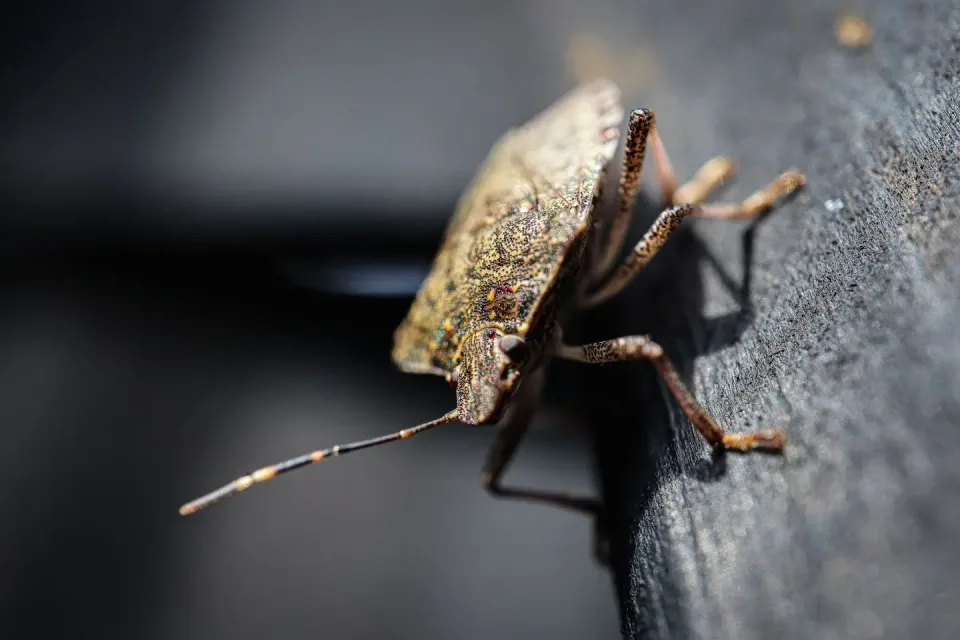
Fall leaf litter can shelter ticks and rodents outdoors, so clear it away from the home without confusing those pests with indoor bed bug signs. At Minute Man National Historical Park, visitors may encounter wooded paths; after outdoor activity, check for ticks rather than interpreting them as mattress evidence. Choose treatment only after identifying the pest.
How Do You Prepare for a Mattress Inspection?
If you notice suspicious spotting along a seam, pause before vacuuming or spraying. A clear record helps an inspection.
-
Document the location: Photograph the seam, nearby frame, and any suspected insect before disturbing the area.
-
Inspect methodically: Check piping, labels, tufts, the box spring, and headboard with a flashlight.
-
Keep items contained: Bag bedding before moving it for laundering, and avoid carrying loose items into another room.
-
Report household needs: Tell the technician about pets, aquariums, children, and sensitive occupants before service.
-
Confirm preparation: Ask which items need to be moved and whether the selected treatment requires room access or temporary vacancy.
-
Follow label directions: If treatment is scheduled, observe the product’s stated re-entry instructions and keep pets away until permitted.
Massachusetts Museum of Contemporary Art is a clear destination to recognize, but an inspection at home should be guided by evidence in the sleeping area. Middlesex Fells Reservation offers wooded trails; after a visit, check clothing for outdoor pests without bringing it onto the bed.
Heavy rain from tropical remnants can disturb rodents in basements, a separate issue from bed bugs. Ask the technician what follow-up inspection is recommended.
Ready to Get Help Checking Mattress Seams?
A careful inspection starts with the seams, then follows the evidence to the frame and nearby resting places. Do not rely on bites alone, and avoid moving suspected items through the home.
Massachusetts winters can bring snow and ice that limit exterior treatments, though bed bug inspection begins indoors and should focus on the sleeping area. During drought, outdoor pests may move toward irrigated yards, but that does not explain a suspected bed bug found on a mattress.
Faneuil Hall is a recognizable Massachusetts landmark; wherever you live in the state, clear documentation helps guide a practical next step. If you find insects or repeated signs, contact Massachusetts Pest Pros for Bed Bug Treatment. We will explain the findings, treatment options, and preparation before work is scheduled.